
Speech & Broadcast Microphones Keep browsing
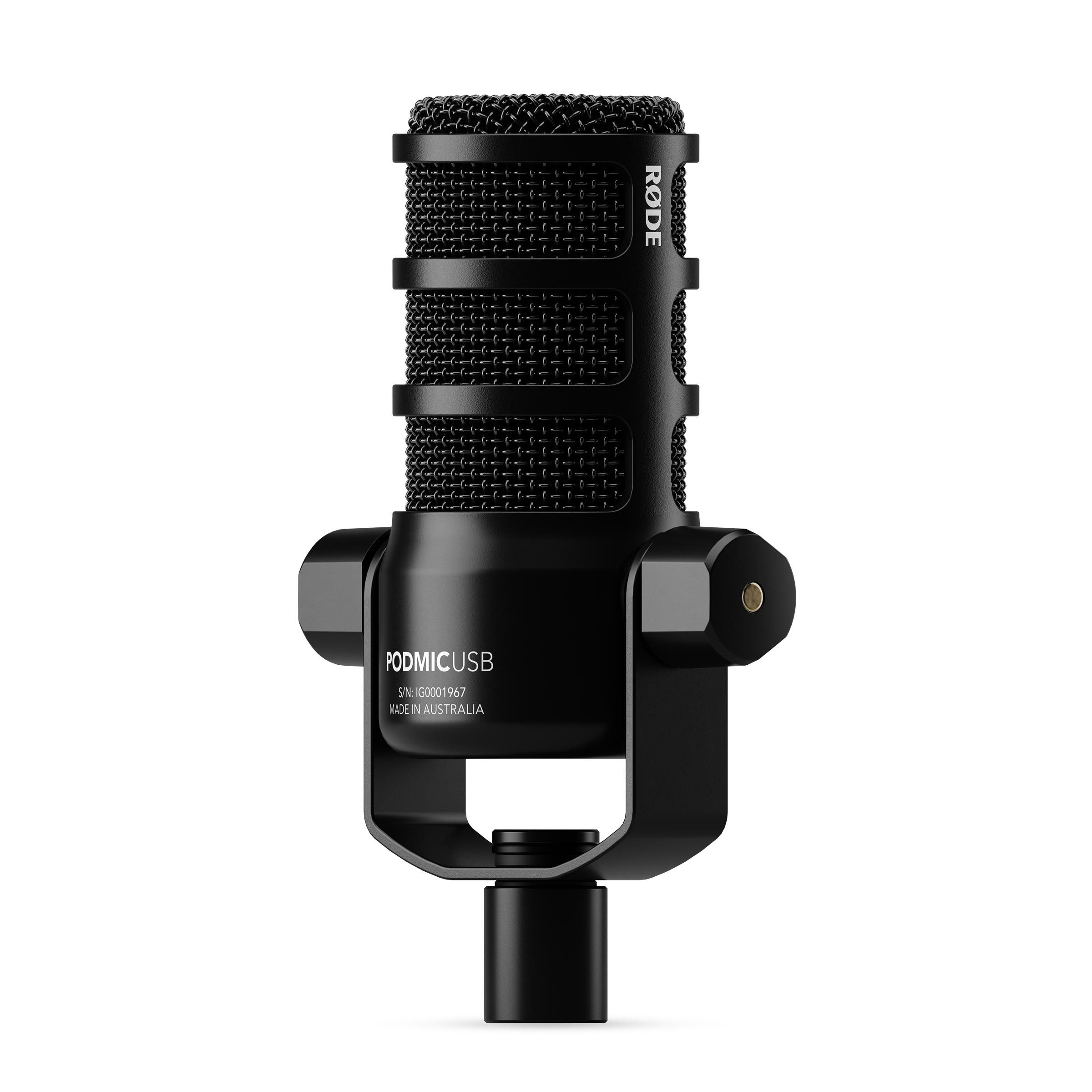
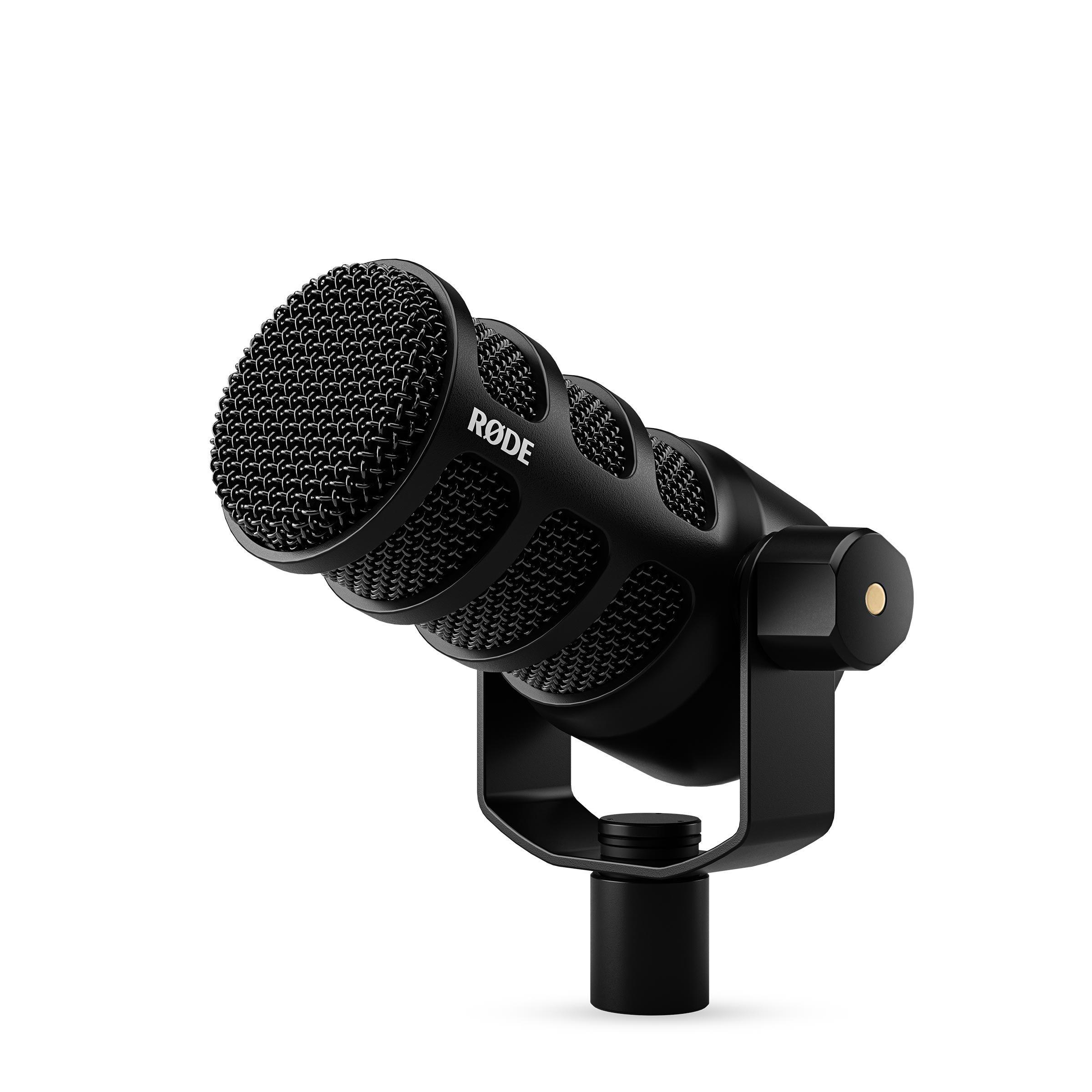
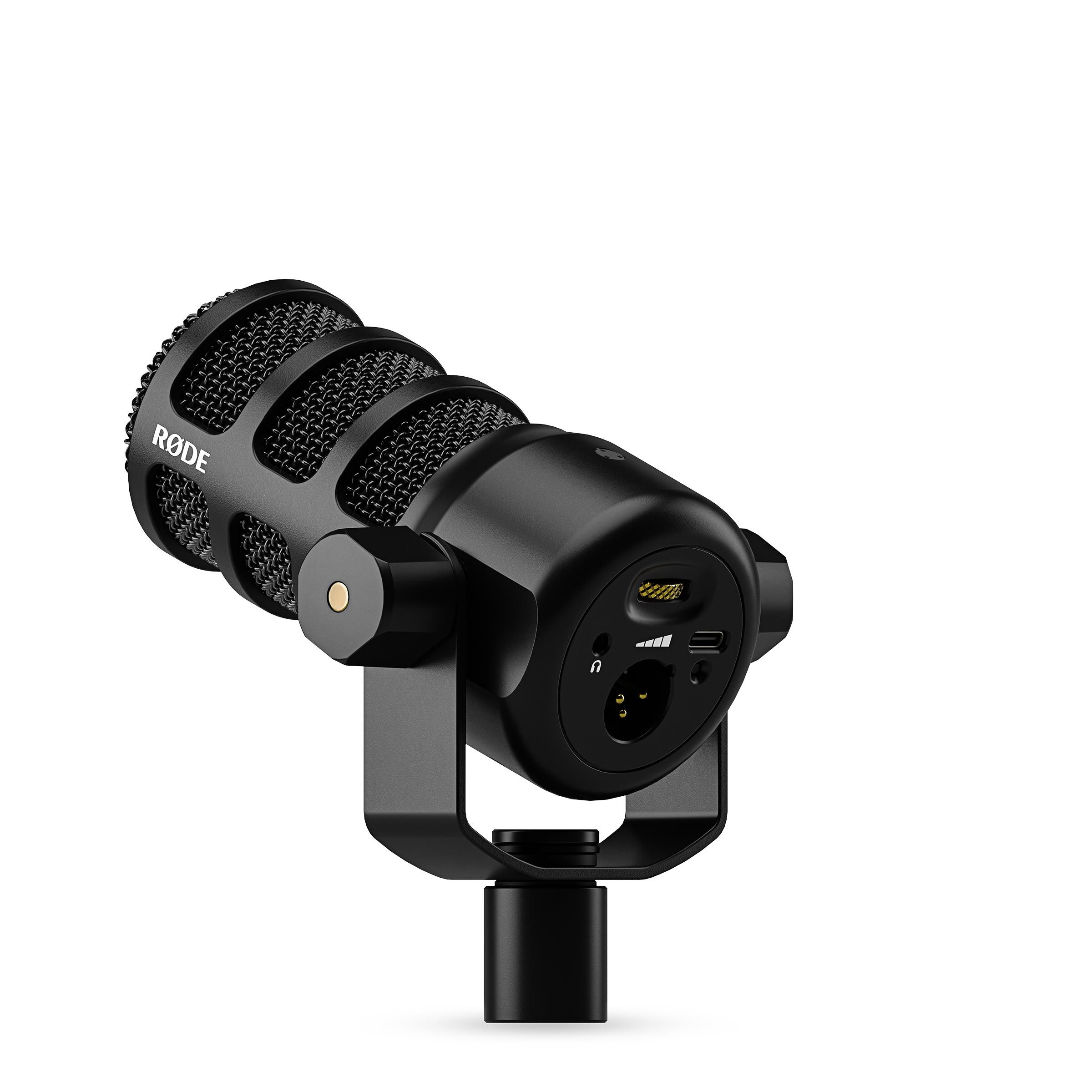
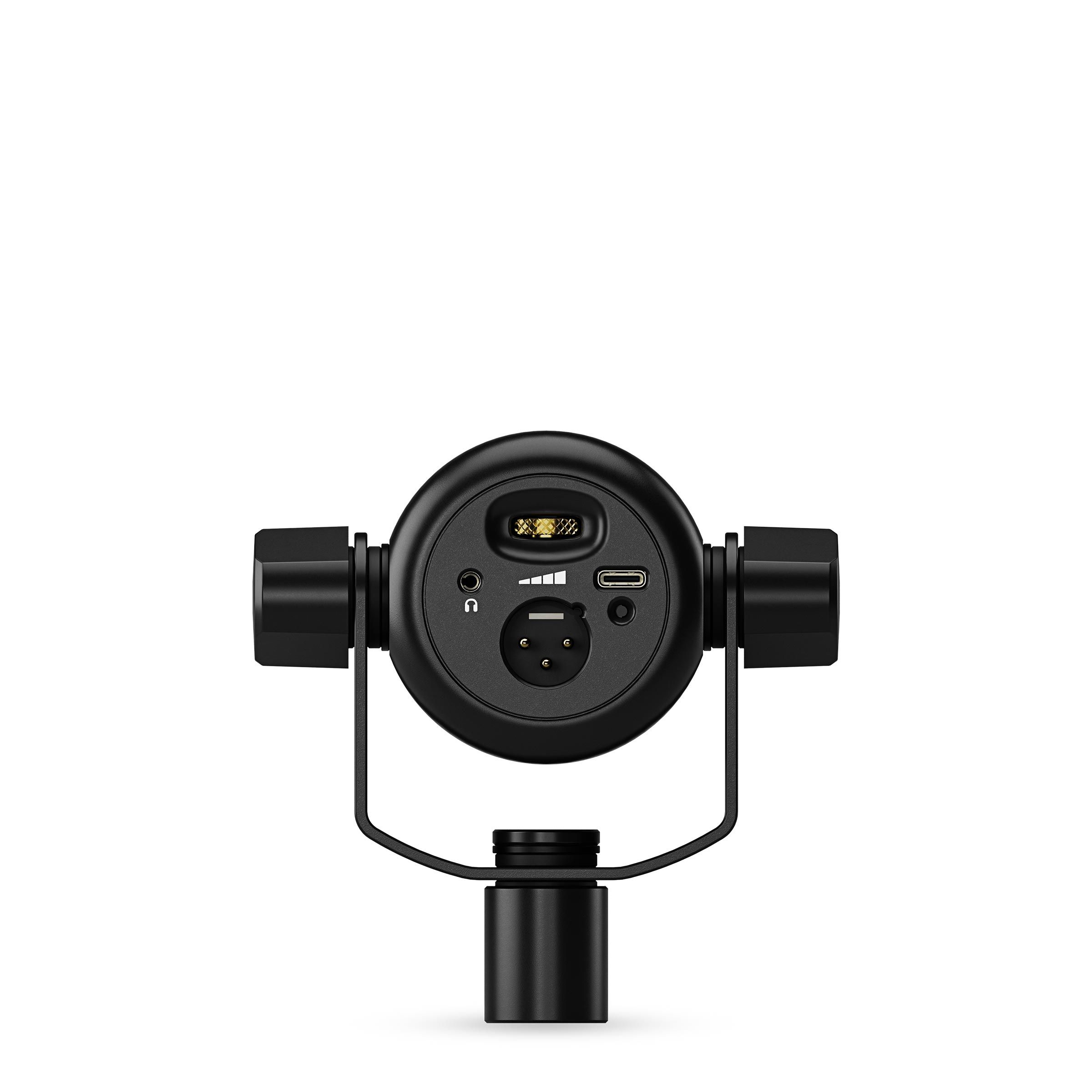
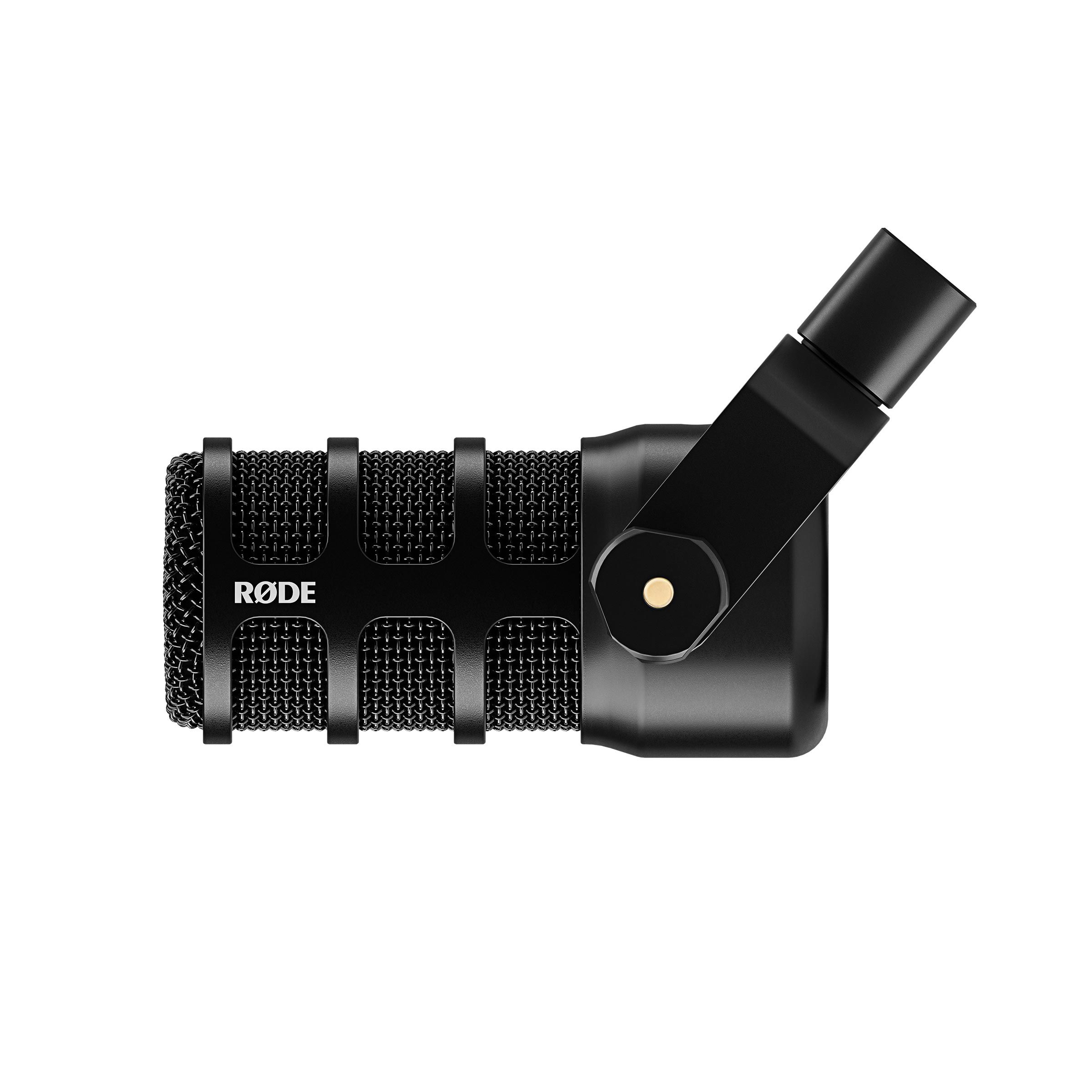
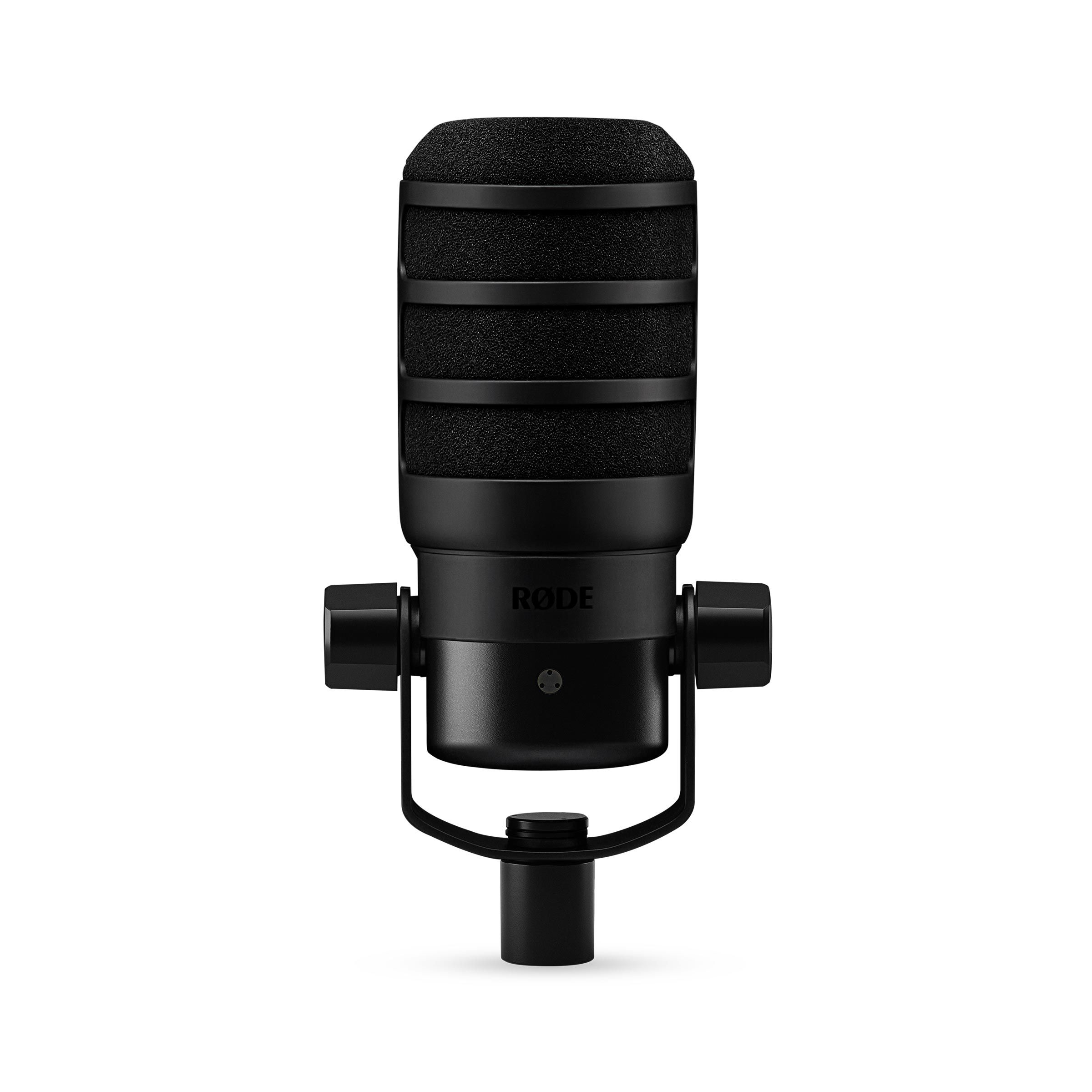

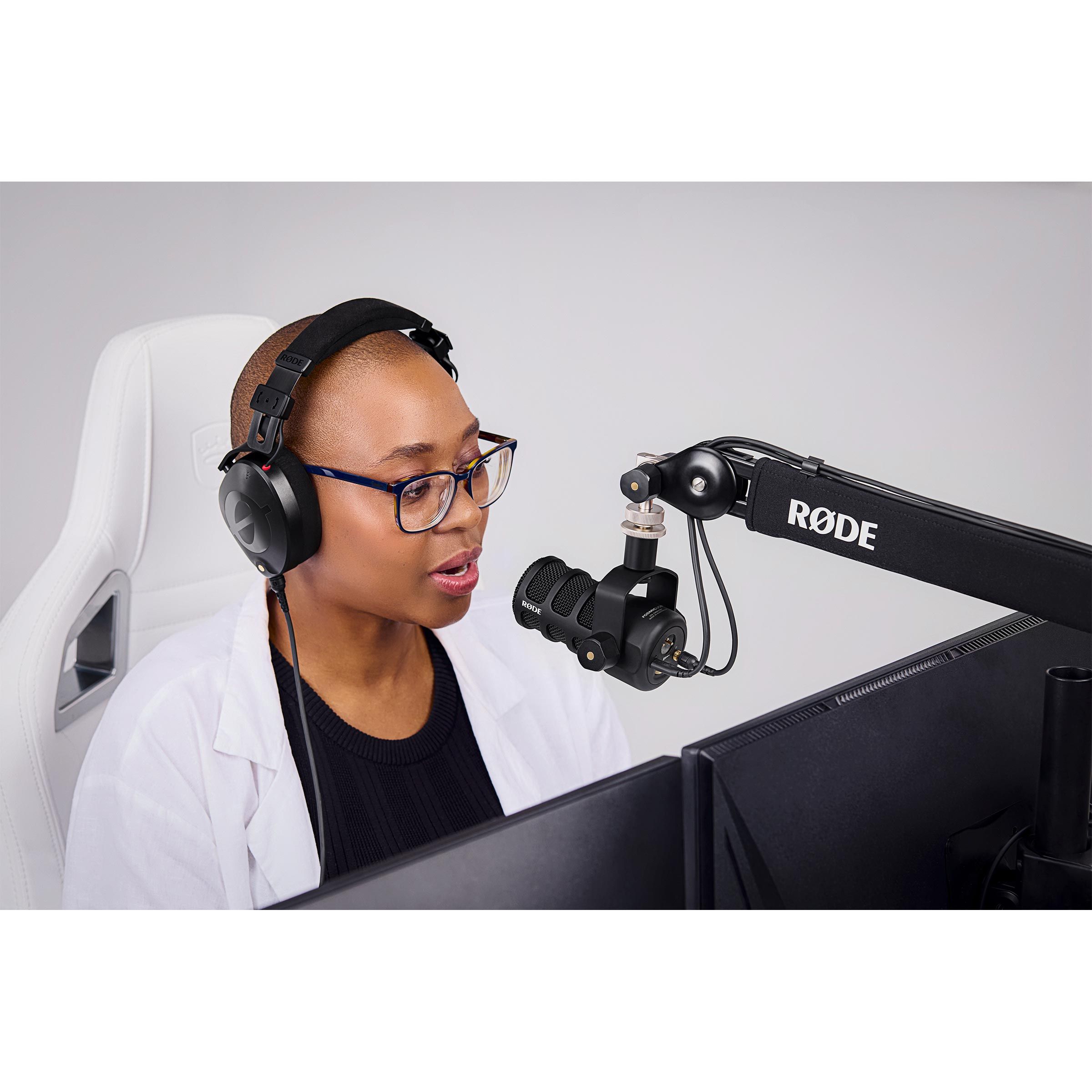
A dynamic microphone developed specifically for voice applications, making it ideal for podcasts, streaming, and use in radio, audio drama, and dubbing studios: it delivers a detailed, full, silky, and balanced sound. Thanks to its XLR and USB connections, the PodMic USB offers flexible usage options. You can either connect it the traditional way via XLR to a good preamp or audio interface, or use the USB-C port to send the microphone signal digitally to a computer, smartphone, or iPhone®.
The PodMic USB’s built-in audio interface is top-notch—featuring an ultra-low-noise, high-gain preamp and audiophile-grade A/D converters. The DSP chip built into the PodMic USB is spectacular and extremely helpful. It allows you to give the voice signal a highly professional sound right at the microphone using a high-pass filter, noise gate, compressor, and Aphex®.
To the left of the USB-C port is a 3.5 mm headphone jack, so you can hear yourself with zero latency during recording (direct monitoring). The headphone volume control features a built-in push button that lets you switch between Direct Monitoring and the computer signal. An LED below the USB-C port indicates the current status: green = microphone signal (Direct Monitoring) and red = signal from the computer or mobile device.
Weighing just under 1 kg, the PodMic USB features a fork mount that allows it to be attached to a table stand or microphone boom arm and then conveniently angled toward the speaker. There’s no need for a shock mount; the microphone capsule itself is elastically suspended, and the swivel mount is internally decoupled from the body, so you won’t encounter any issues with structure-borne noise. The PodMic USB is front-addressed; a distance of approximately 3 to 20 cm is optimal. As a dynamic microphone, the PodMic USB is significantly less sensitive than a condenser microphone—ideal for studios and recording rooms where ambient noise is a problem.
The free configuration software “RØDE Central” can be used to update the PodMic USB with the latest firmware. RØDE Central is also used to configure the desired DSP settings in the microphone. Once set, the selected settings are retained.
Note: Due to its special circuitry, the PodMic USB cannot handle phantom power via XLR. While it won’t break, it will deliver a signal level that is far too low when 48 volts are applied. This is not a defect. If you wish to operate the PodMic USB via an analog XLR connection with an audio interface (which is perfectly fine), make sure that phantom power is not enabled on the relevant input.
The PodMic USB’s housing is made of solid brass and features a scratch-resistant ceramic coating; the two-layer diaphragm is made of stainless steel. The PodMic USB is manufactured by RØDE in Silverwater, Sydney. The package includes a clip-on foam pop filter and a 3-meter USB-C to USB-C cable.
Technical data
- Typ: dynamisches Broadcast-Mikrofon, XLR und USB
- Richtcharakteristik: Niere
- Frequenzbereich: 20 Hz–20 kHz
- Ausgangsimpedanz: 460 Ω (XLR)
- Max. SPL: 148 dB
- Eigenrauschen: 26 dBA (analog), 19 dBA (digital)
- Empfindlichkeit: -57 dB re 1 V/Pa
- Digital: 24 Bit, 48 kHz, APHEX-DSP
- Anschlüsse: XLR, USB-C, 3,5 mm Kopfhörer
- Systeme: Windows 10, macOS 10.15
- Maße (L × B × H): 123 × 109 × 110 mm
- Gewicht: 900 g
- Farbe: schwarz
In the box
- 1× PodMic USB (schwarz)
- 1× USB-C-Kabel SC29
- 1× Popschutz WS14
About the brand
RØDE – an audio company in the heart of Australia
RØDE is a global leader in audio technology, with a mission to give voice and vision to the world’s creative minds. With a rich history dating back more than 50 years, RØDE is a wholly Australian-owned and operated company with a passion for innovation, an uncompromising commitment to quality, and a lasting dedication to making exceptional sound accessible to everyone
RØDE’s state-of-the-art facility is located in Silverwater, a suburb less than 20 km from downtown Sydney. Three manufacturing facilities covering a floor area of more than 25,000 m² house precision machinery valued at over 500 million dollars. RØDE and CEO Peter Freedman employ an international team of more than 800 employees, including highly qualified specialists in electrical engineering, industrial design, mechanical engineering, robotics, audio and acoustics, metal fabrication, toolmaking, injection molding, quality control, and marketing.
RØDE Microphones is a wholly owned subsidiary of Freedman Electronics, a company founded in 1967 by Henry and Astrid Freedman that soon became a leader in the Australian audio industry. In 1990, Henry’s son Peter began manufacturing studio microphones. The “NT1” model marked the birth of RØDE Microphones: for the first time, there was a usable large-diaphragm studio microphone available at an affordable price.
Today, RØDE can look back on a truly remarkable and highly successful journey, without resting on its laurels. Over the years, new product lines have been steadily added, so that today, in addition to studio microphones and accessories, RØDE also offers professional products for radio, television, feature film production, musicians, podcasters, gamers, content creators, and other users.
From its humble beginnings as a storefront in 1967, Freedman Electronics has grown over the decades into the Freedman Group, one of the world’s leading suppliers of pro audio equipment. In addition to its headquarters in Sydney, RØDE maintains offices around the world, including in the U.S., China, and the U.K. RØDE products are exported to 119 countries worldwide.
RØDE is part of the Freedman Group—along with Mackie, APHEX, Event, and SoundField.