
Video & Camera Microphones Keep browsing
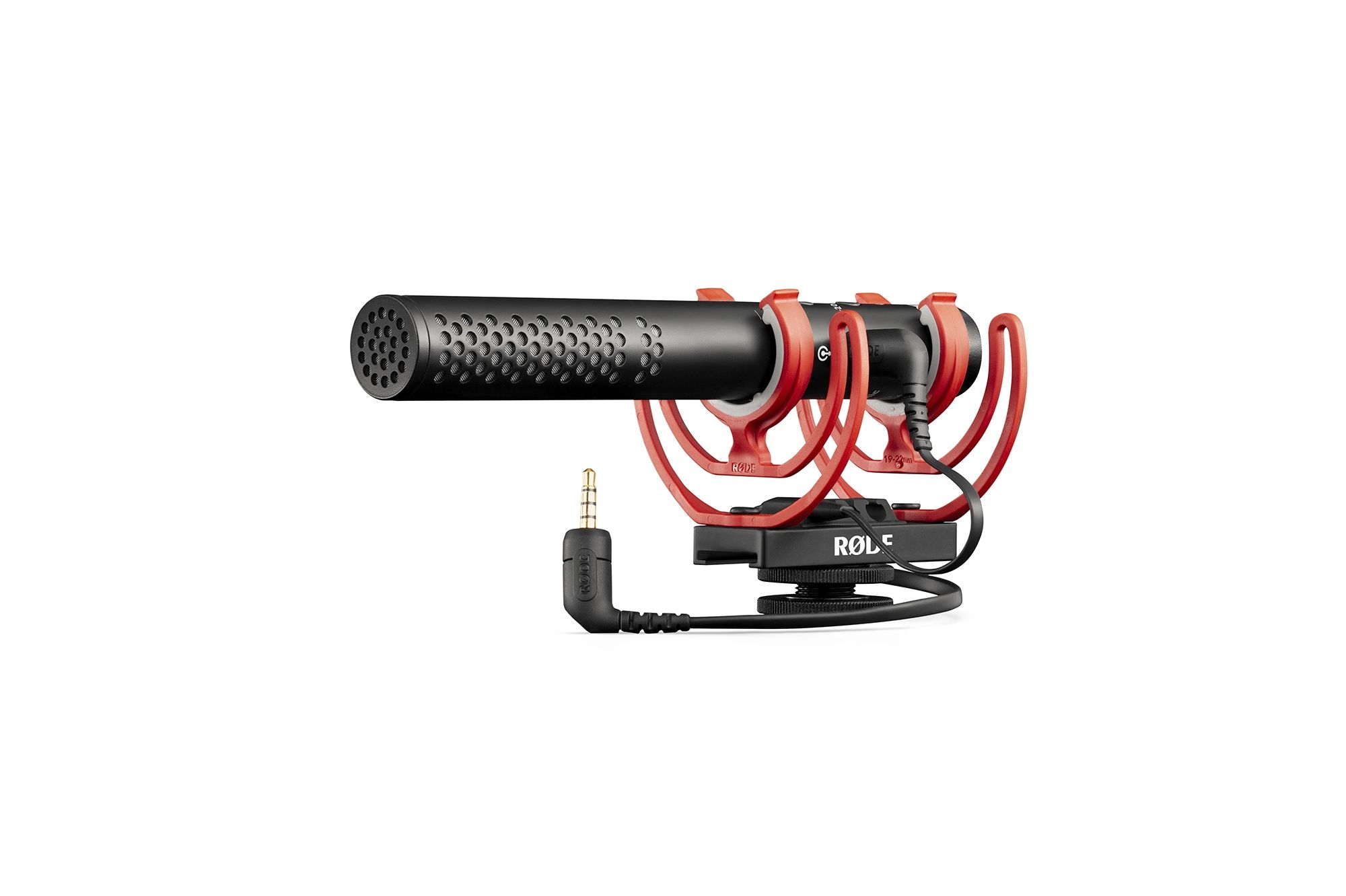
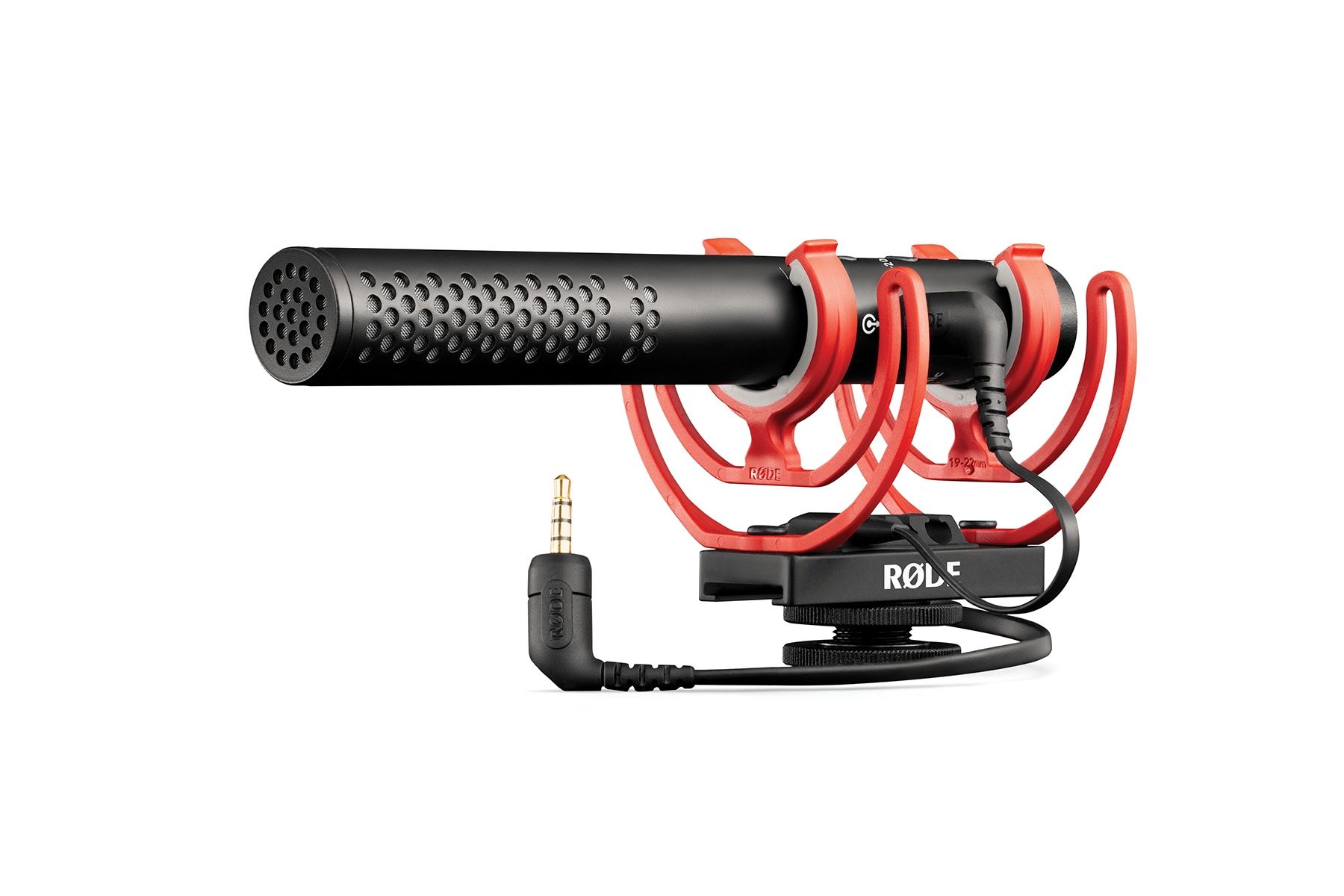
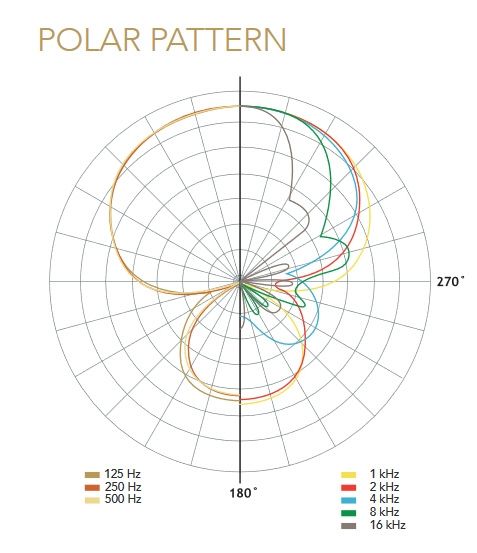
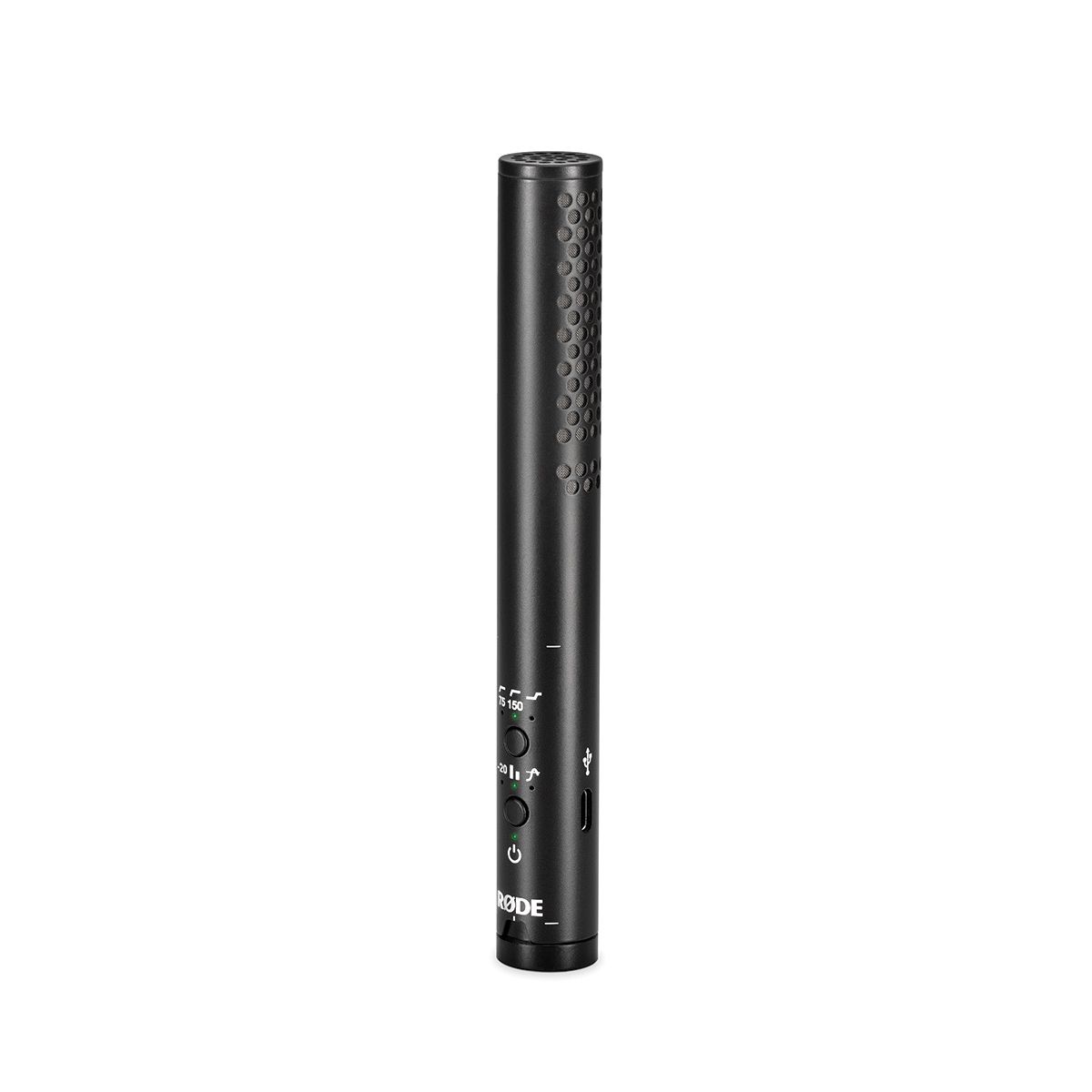
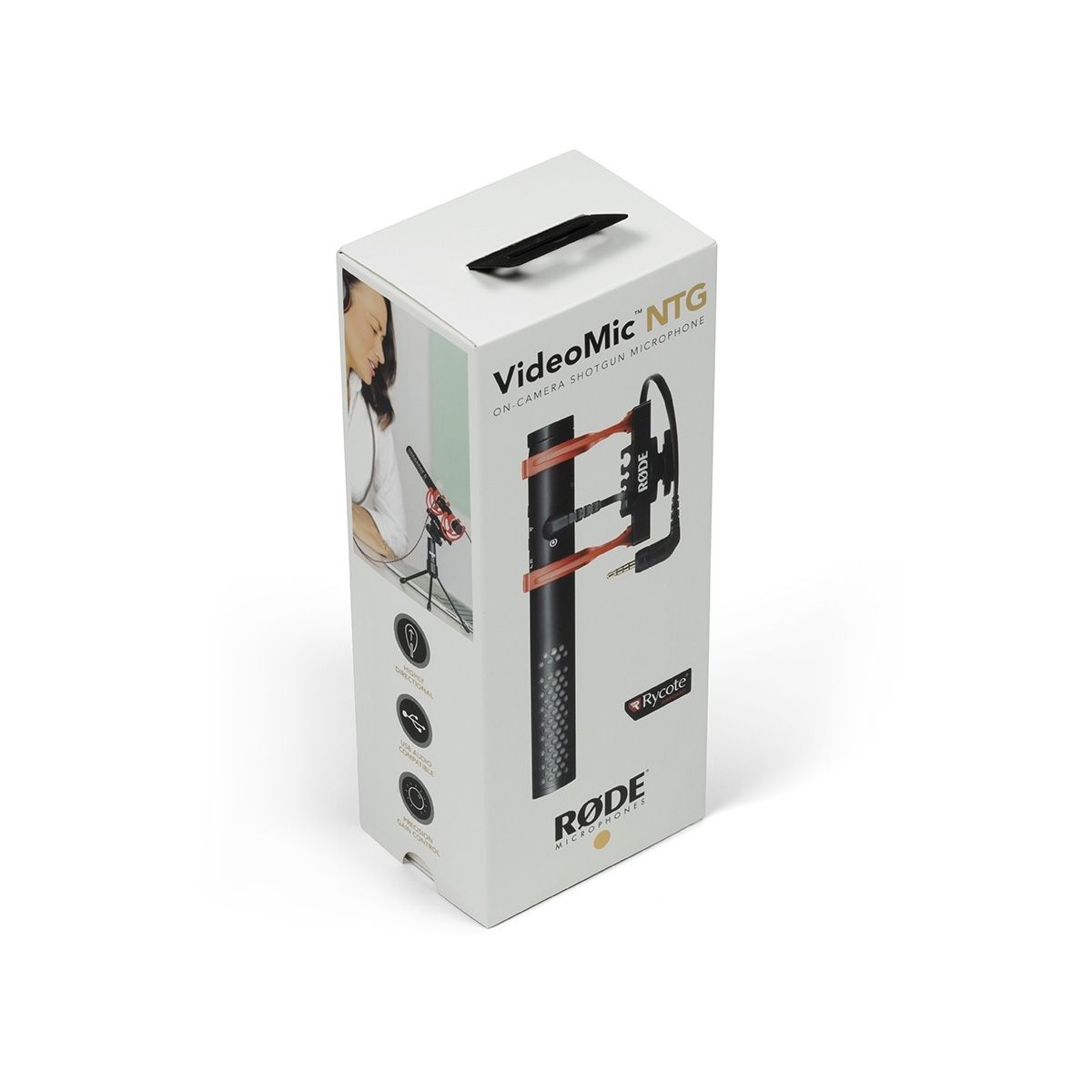
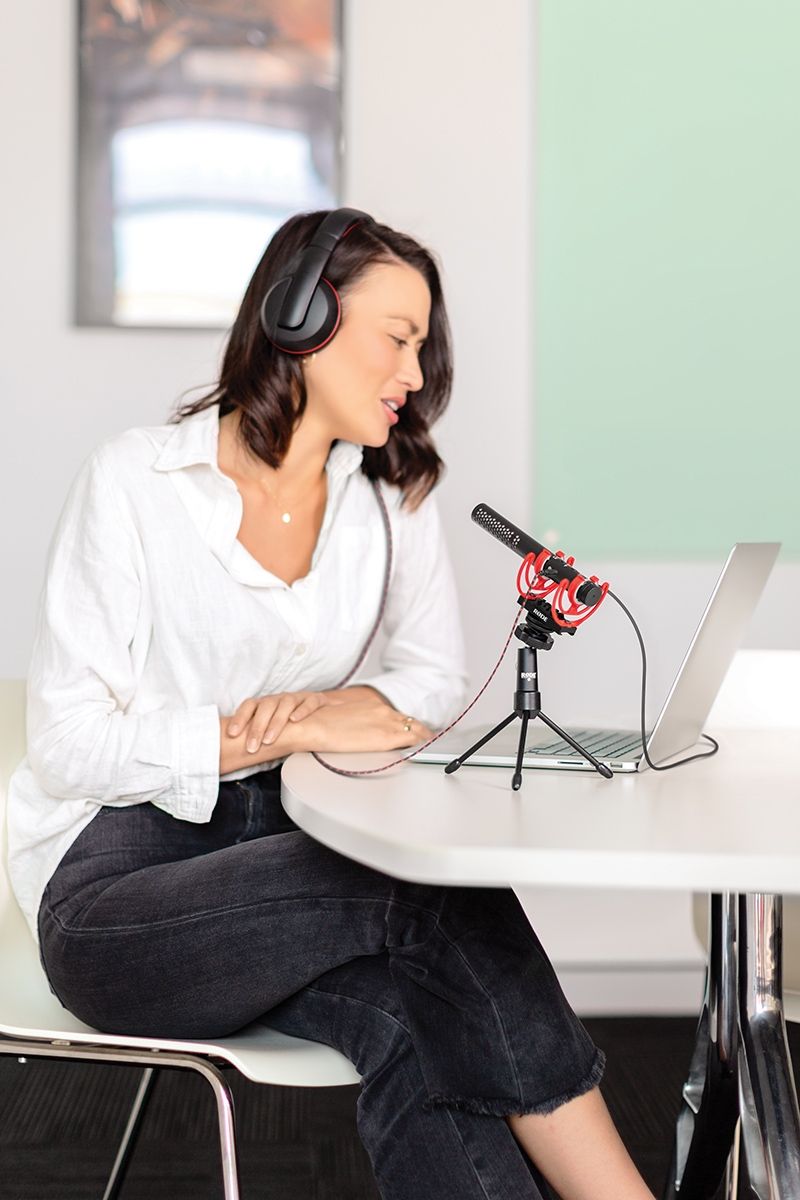
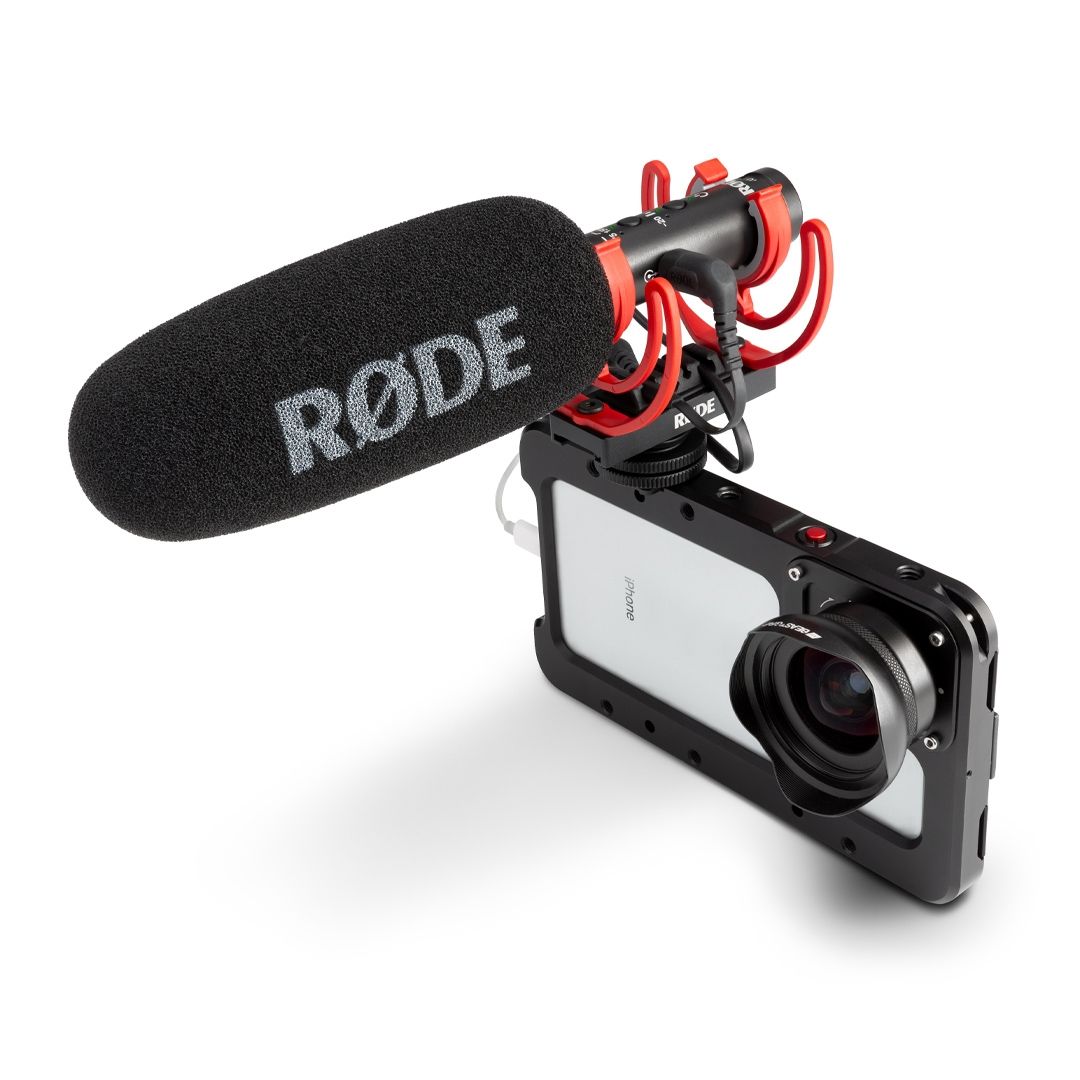
A top-of-the-line camera microphone: extremely versatile, high-quality aluminum housing, electronic buttons, a wealth of control options and features, and top-notch sound quality with a fantastically transparent and completely neutral sound. The supercardioid capsule’s pickup angle is 45° forward, and side attenuation is excellent.
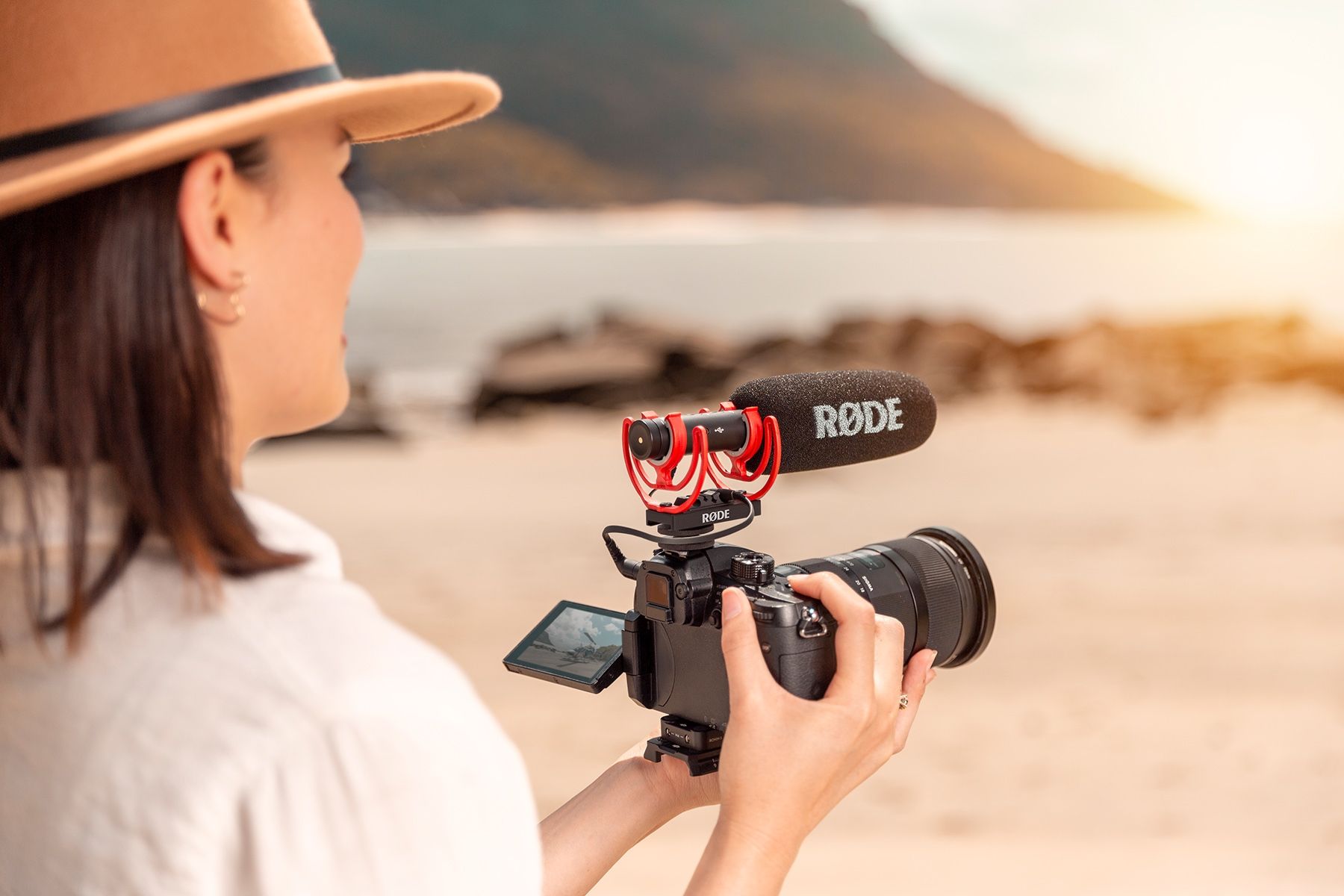
The red Rycote® swing mount can be adjusted horizontally to optimally align the microphone position with the camera. A 3/8” thread is recessed into the hot shoe of the shock mount, allowing the VideoMic NTG to be mounted on a tripod or a boom pole. The microphone is powered by a built-in lithium-ion battery, providing up to 30 hours of runtime.
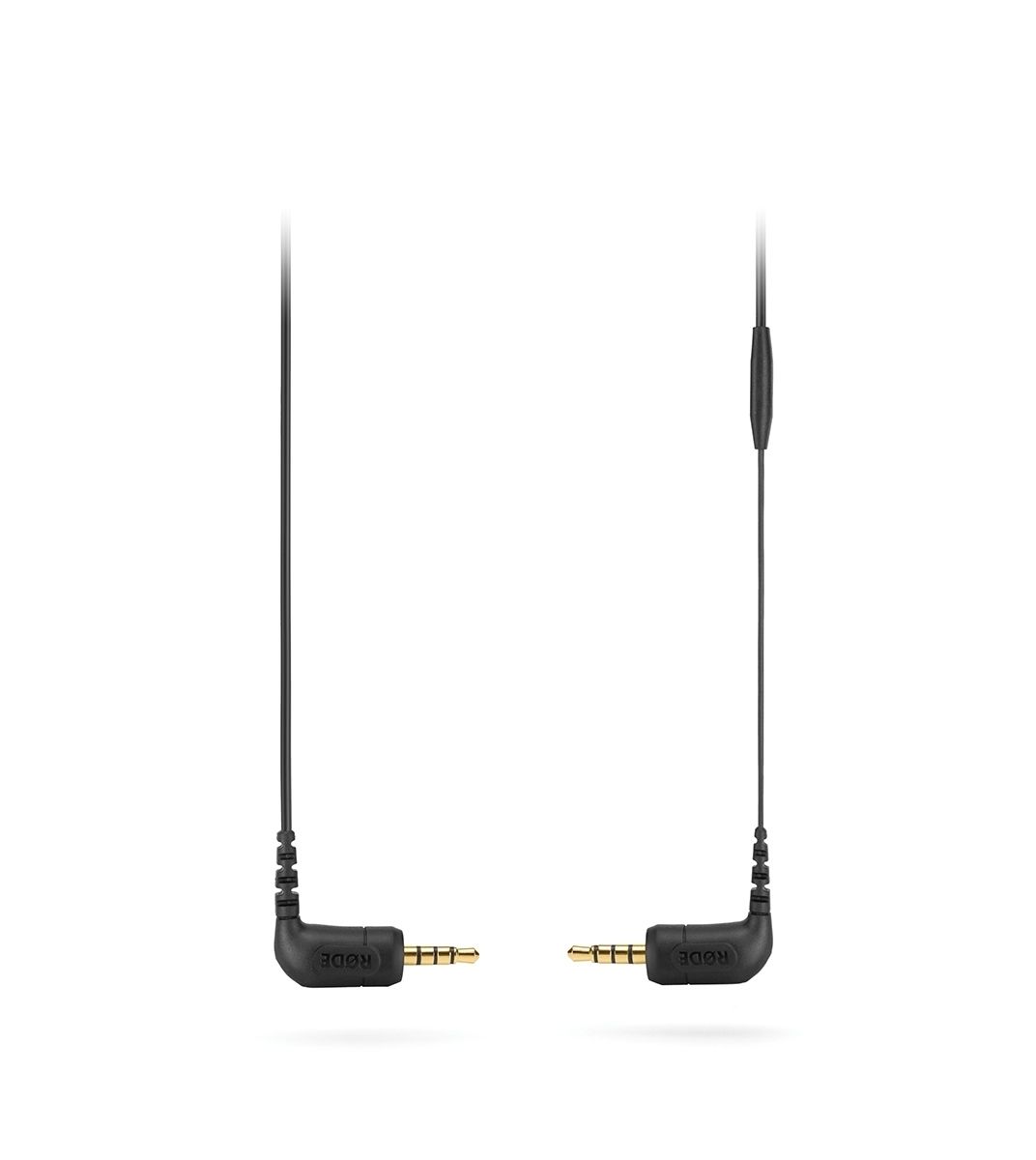
The VideoMic NTG’s 3.5 mm jack can be connected via the included SC10 cable either to a camera’s three-pin microphone input (TRS) or—without an adapter—to a smartphone’s four-pin jack (TRSS). Thanks to TRS/TRRS detection, the VideoMic NTG automatically adjusts the pin configuration of its jack. To prevent noise interference, the SC10 can be clamped into the swing mount and, thanks to its special texture, fits snugly against the housing without any play.
The VideoMic NTG is also a top-notch USB microphone. Using the included USB cable (USB-C to USB-A), you can connect it to a computer and use it, for example, for post-recording audio for videos. With the optional SC15 cable, you can also connect it digitally to an iPhone with a Lightning port (the VideoMic NTG is MFi-certified) or, via the optional SC16, to a USB-C smartphone. In both cases, the VideoMic NTG’s 3.5 mm jack serves as an adjustable headphone output.
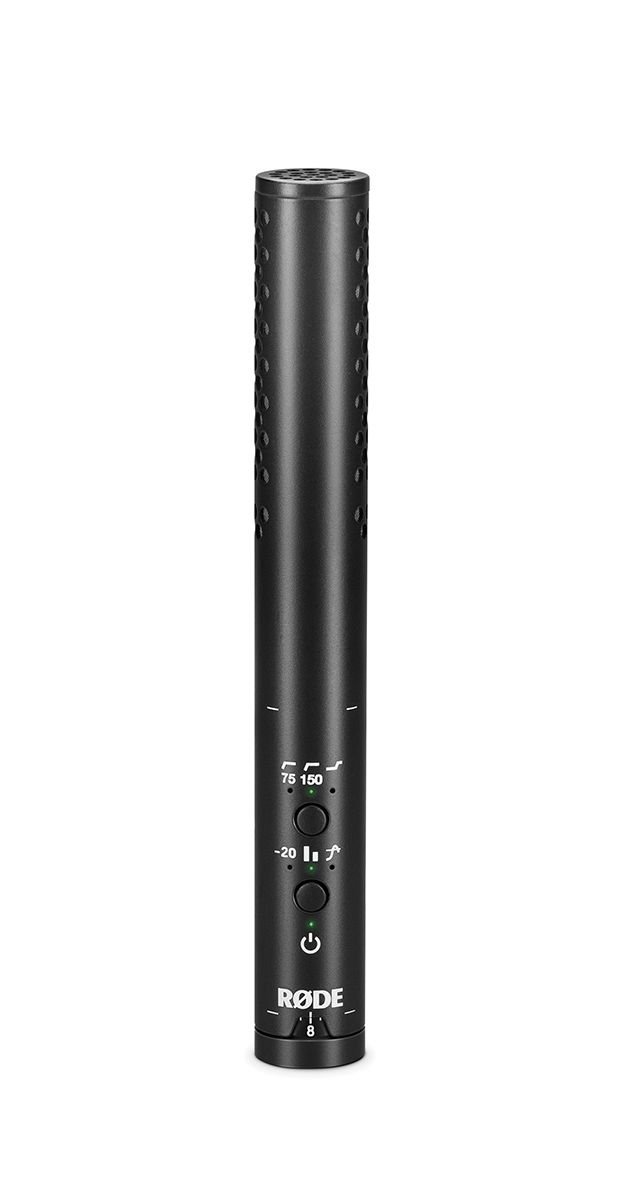
The two electronic buttons on the housing allow you to control the following functions; seven LEDs indicate the respective status.
High-pass filter
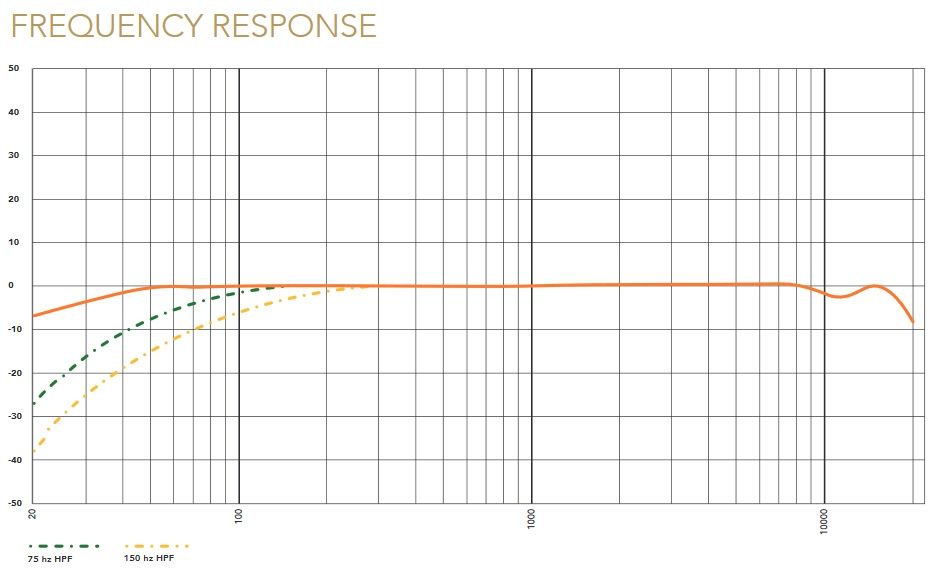
Low-cut filter, also known as a rumble filter, which filters out the frequency range below 75 Hz or below 150 Hz from the recorded signal. This often improves speech intelligibility.
Presence boost
When using the optional WS11 fur windscreen, the sound inevitably becomes slightly muffled. Activating the presence boost precisely compensates for this slight loss of high frequencies. This feature can also be used to great effect without the fur windscreen; at greater distances from the sound source, it enhances the signal.
Pre-attenuation
The output level of the VideoMic NTG can be continuously adjusted using a rotary control. However, there are sound sources that are so loud (e.g., motorsports, soccer stadiums, nightclubs, rock concerts) that distortion occurs right at the microphone. This is indicated by the red Peak LED (to the right of the Safety Channel LED). In this case, you should activate the pre-attenuation (-20 dB) to deliver a clean signal to the camera.
Safety Channel
The camera records audio in two channels, or stereo. The VideoMic NTG transmits audio via its connection cable in dual-mono: both channels carry the identical signal, ensuring it is later reproduced exactly centered. If you activate Safety Mode, the same signal is still recorded on both tracks, but on the camera’s right channel it is 20 dB quieter. If an unexpectedly loud signal occurs during filming and causes clipping, you can easily fall back on the undistorted Safety track at that point during post-production.
Auto-On/Off
This feature is enabled by default and is extremely convenient: the VideoMic NTG automatically turns on and off along with the camera. This requires that the camera provide a power supply to the microphone input, which is the case with the vast majority of models. You can also disable Auto-On/Off by manually turning on the VideoMic NTG. To re-enable Auto-On/Off mode, press and hold both buttons simultaneously for about 2 seconds while the microphone is on.
If you’d like, you can also use the VideoMic NTG with RØDE’s ingenious recording/podcast/streaming app “RØDE Connect” (a firmware update for the VideoMic NTG may be required); RØDE Connect is available for free download. The VideoMic NTG is manufactured by RØDE in Australia. The package includes a foam windscreen, the SC10 connector cable, and a USB-C to USB-A cable.
Technical data
- Typ: Kamera-Richtrohrmikrofon, analog und USB
- Prinzip: Elektret-Kondensator
- Richtcharakteristik: Superniere
- Frequenzbereich: 20 Hz–20 kHz
- Ausgangsimpedanz: 10 Ω
- Signal-Rausch-Abstand: 79 dBA
- Eigenrauschen: 15 dBA
- Max. SPL: 120 dB
- Hochpass: 75/150 Hz
- Akku: Li-Ionen, 350 mAh, über 30 h
- Anschluss: 3,5 mm (automatische Erkennung), USB-C (24 Bit/48 kHz)
- Maße: 171 × Ø 21,6 mm
- Gewicht: 94 g
In the box
- 1× VideoMic NTG
- 1× Spinne SM7-R
- 1× Windschutz WSVM
- 1× TRRS-Kabel 3,5 mm (30 cm)
- 1× USB-C-auf-Lightning-Kabel (30 cm)
- 1× USB-C-Kabel (30 cm)
About the brand
RØDE – an audio company in the heart of Australia
RØDE is a global leader in audio technology, with a mission to give voice and vision to the world’s creative minds. With a rich history dating back more than 50 years, RØDE is a wholly Australian-owned and operated company with a passion for innovation, an uncompromising commitment to quality, and a lasting dedication to making exceptional sound accessible to everyone
RØDE’s state-of-the-art facility is located in Silverwater, a suburb less than 20 km from downtown Sydney. Three manufacturing facilities covering a floor area of more than 25,000 m² house precision machinery valued at over 500 million dollars. RØDE and CEO Peter Freedman employ an international team of more than 800 employees, including highly qualified specialists in electrical engineering, industrial design, mechanical engineering, robotics, audio and acoustics, metal fabrication, toolmaking, injection molding, quality control, and marketing.
RØDE Microphones is a wholly owned subsidiary of Freedman Electronics, a company founded in 1967 by Henry and Astrid Freedman that soon became a leader in the Australian audio industry. In 1990, Henry’s son Peter began manufacturing studio microphones. The “NT1” model marked the birth of RØDE Microphones: for the first time, there was a usable large-diaphragm studio microphone available at an affordable price.
Today, RØDE can look back on a truly remarkable and highly successful journey, without resting on its laurels. Over the years, new product lines have been steadily added, so that today, in addition to studio microphones and accessories, RØDE also offers professional products for radio, television, feature film production, musicians, podcasters, gamers, content creators, and other users.
From its humble beginnings as a storefront in 1967, Freedman Electronics has grown over the decades into the Freedman Group, one of the world’s leading suppliers of pro audio equipment. In addition to its headquarters in Sydney, RØDE maintains offices around the world, including in the U.S., China, and the U.K. RØDE products are exported to 119 countries worldwide.
RØDE is part of the Freedman Group—along with Mackie, APHEX, Event, and SoundField.