
Micrófonos para vídeo y cámara Seguir explorando
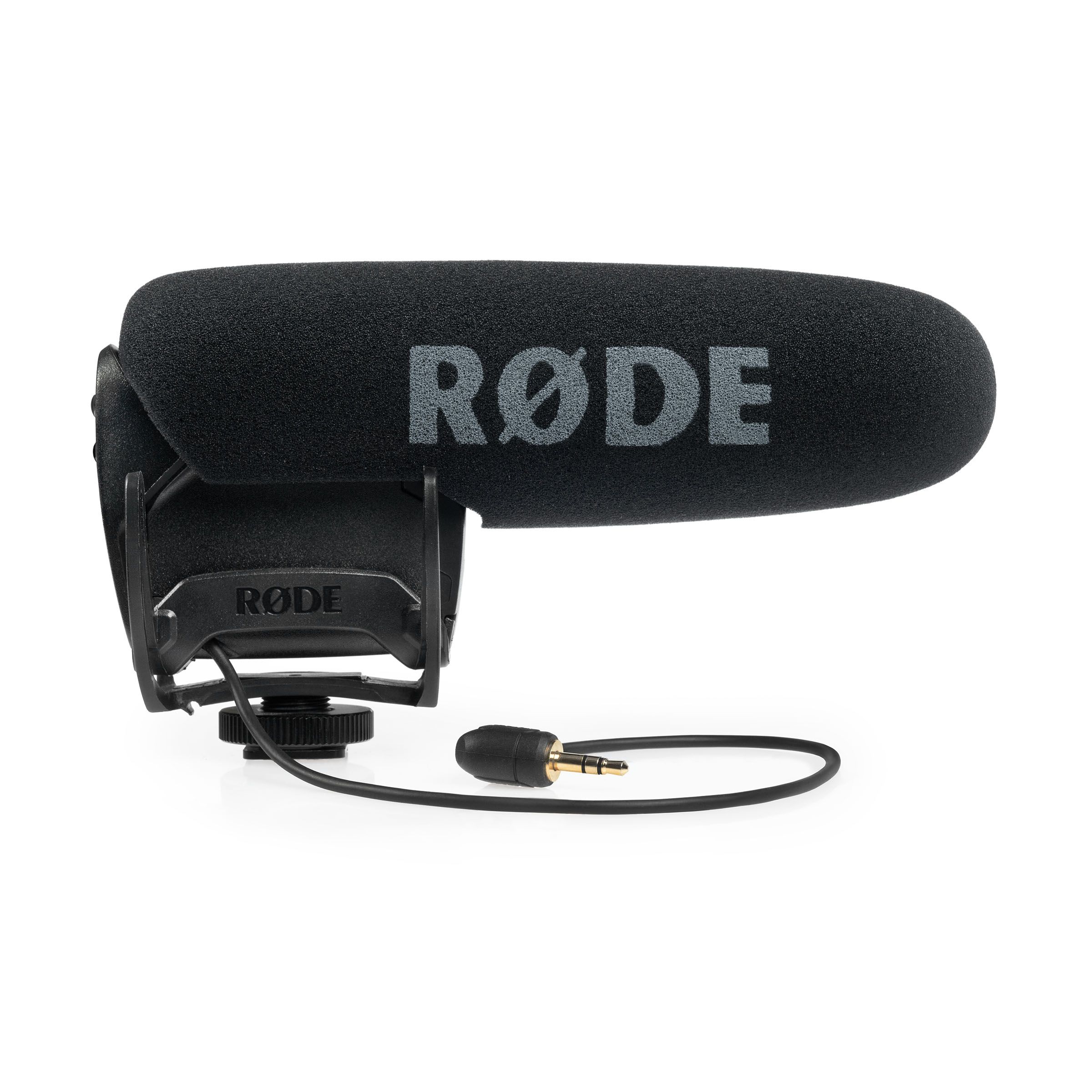
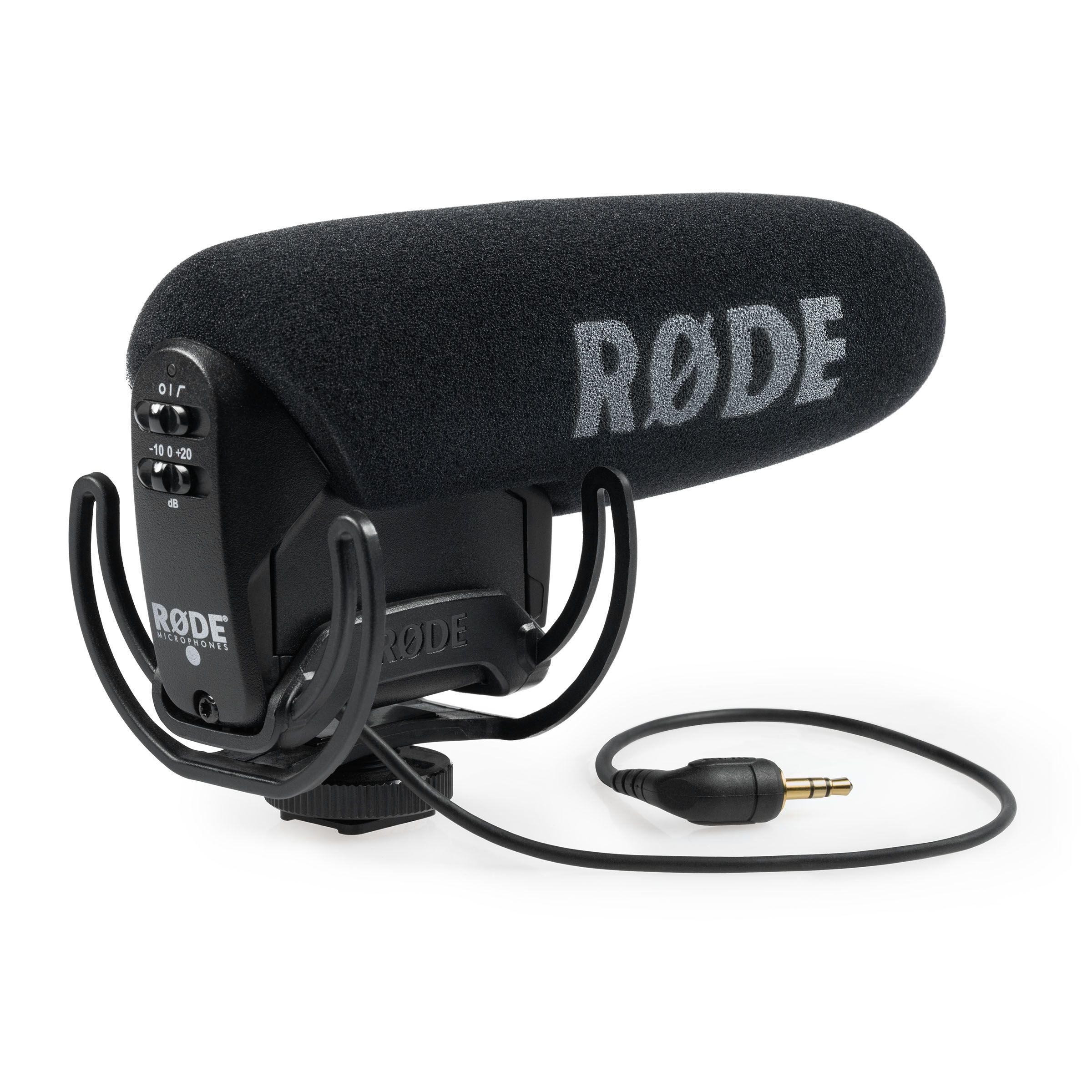
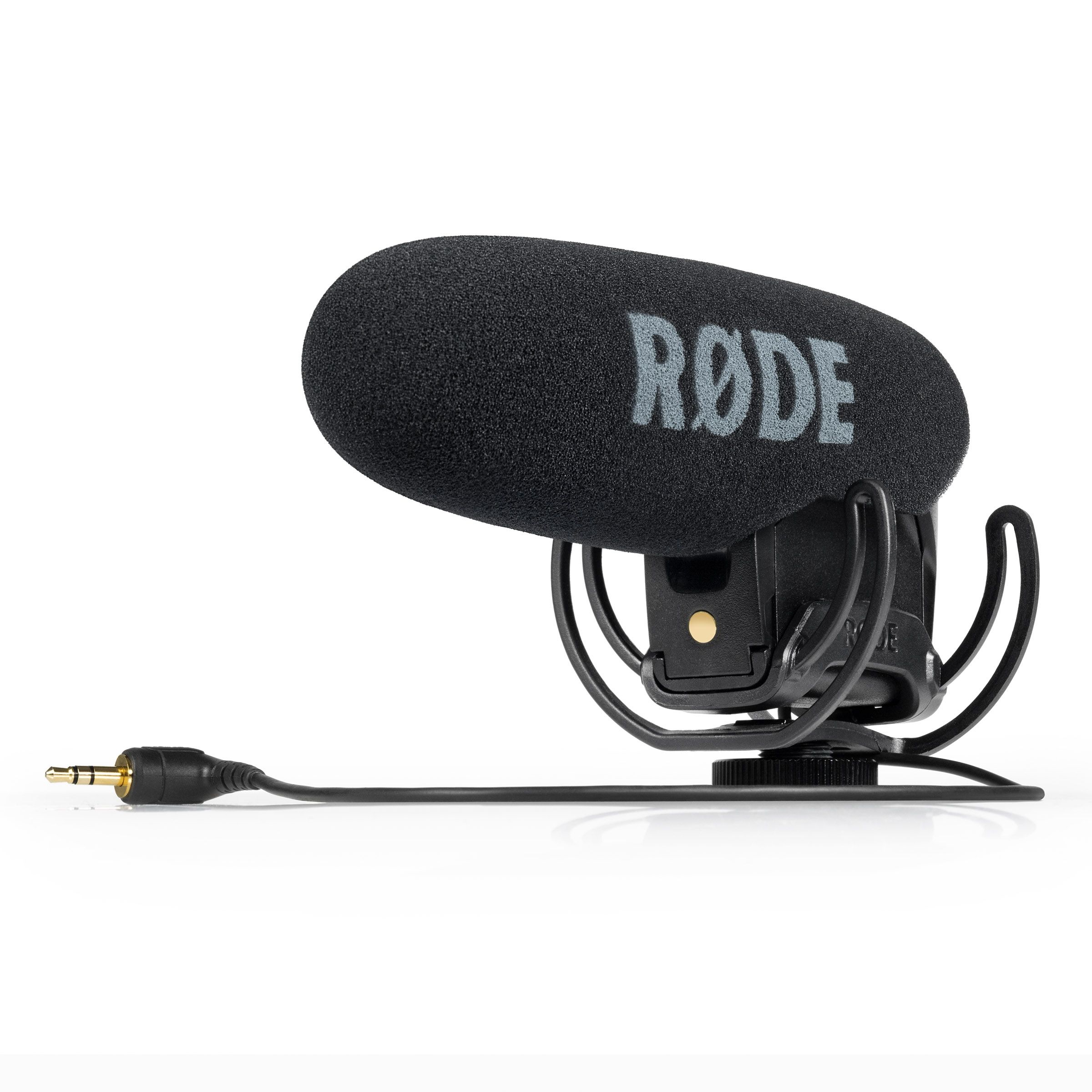
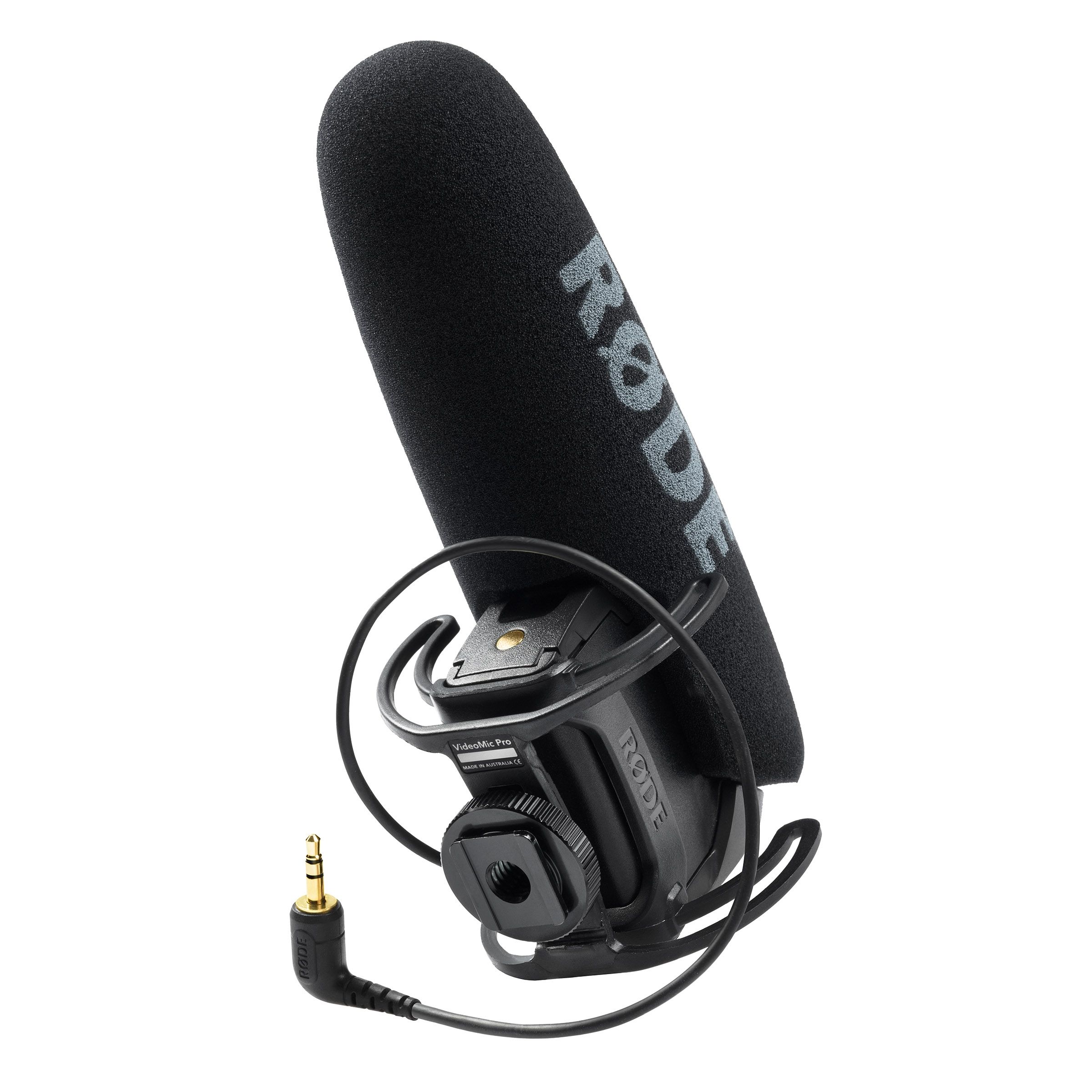
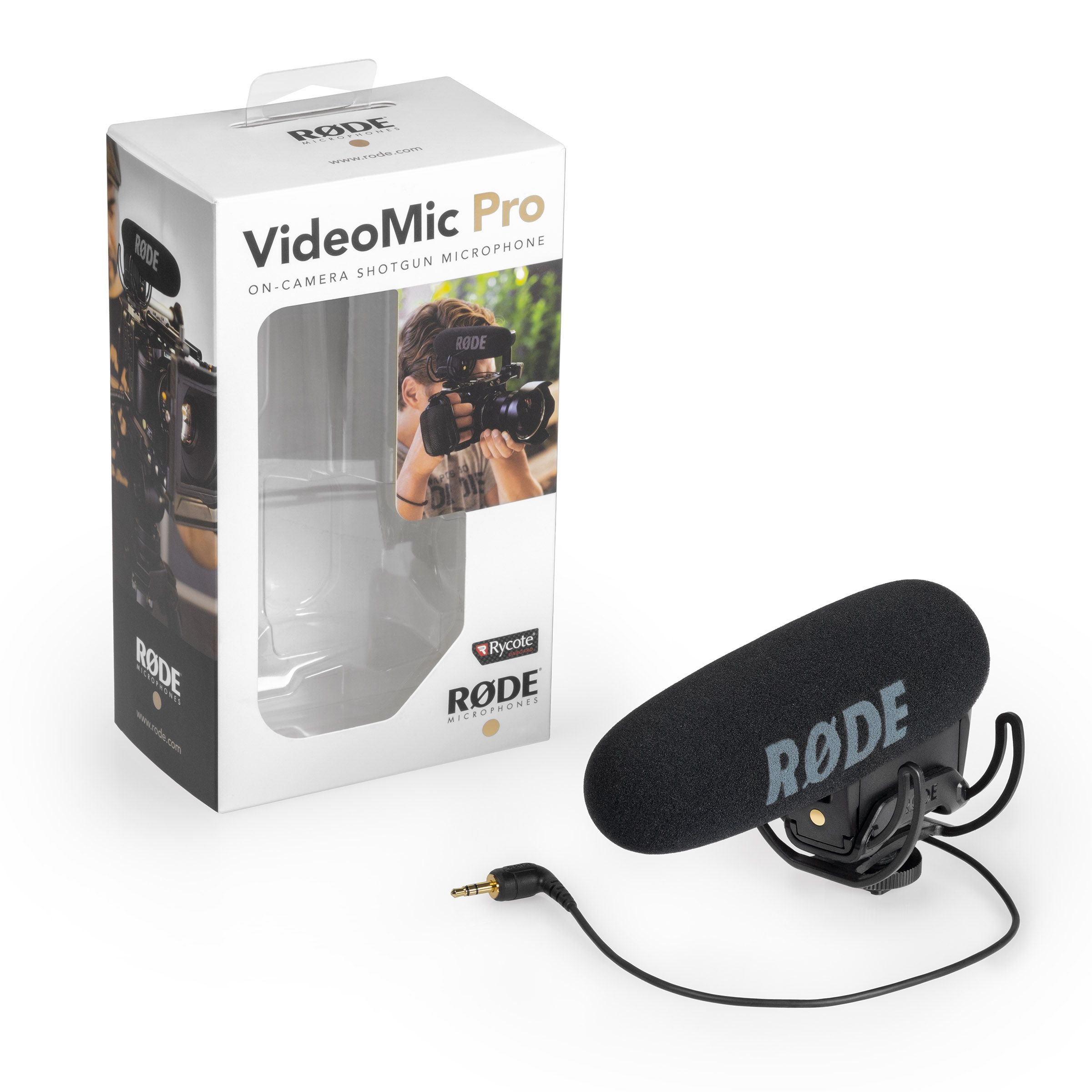
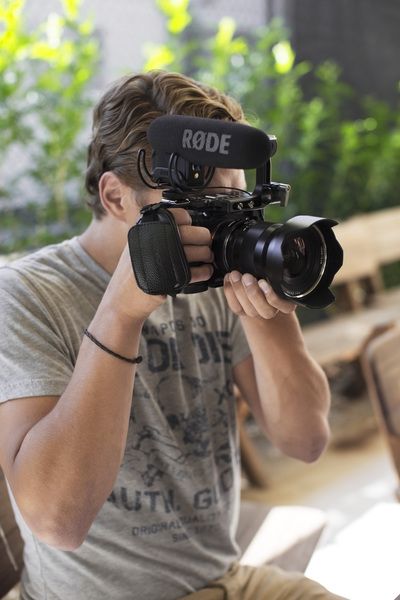
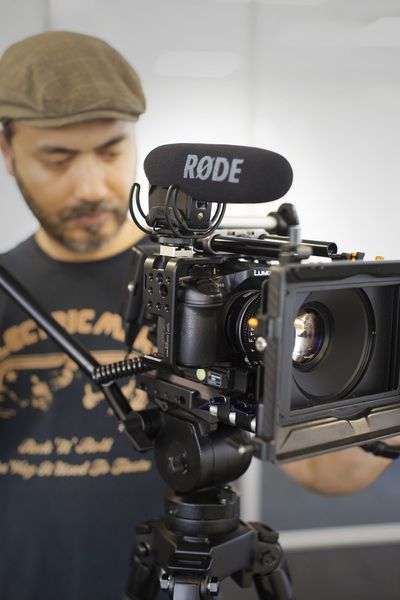
Measuring just 15 cm in length and weighing only 85 g, the VideoMic Pro Rycote is a professional mono camera microphone that can significantly enhance the quality of your video audio. It slides easily into a standard hot shoe and locks into place with the integrated knurled nut. Alternatively, it can be mounted on a tripod, a handle, or a boom pole; the base features a 3/8-inch threaded socket. Thanks to the Rycote Double “Lyre”—a special thermoplastic vibration-isolation mount—the VideoMic Pro is optimally decoupled from the camera. This prevents structure-borne noise and handling noise from reaching the microphone’s sensitive 1/2-inch condenser capsule.
The VideoMic Pro Rycote is powered by an optional 9V block battery, which lasts for 70 hours. It connects to the camera via a permanently integrated 3.5 mm TRS jack cable. The tip (“T”) and ring (“R”) of the connector carry exactly the same signal, so the camera records in dual-mono mode and the sound comes from exactly the center when the video is played back.
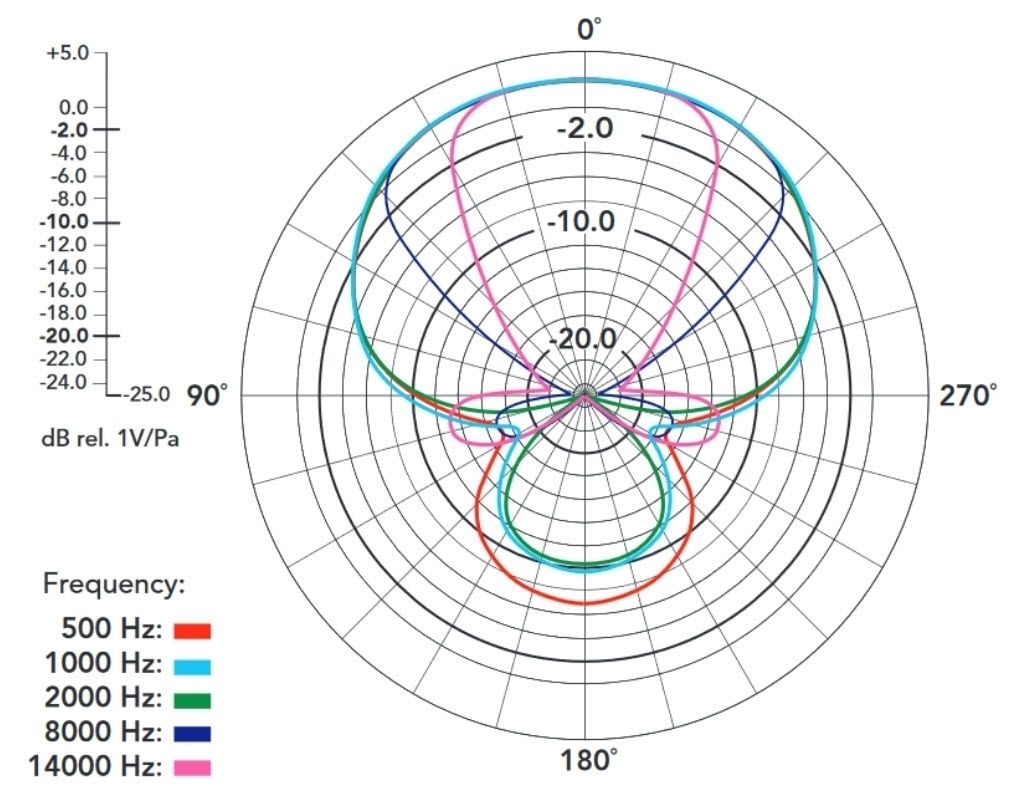
The Rycote VideoMic Pro’s supercardioid capsule has a relatively narrow pickup angle of approximately 45°. If you hold both hands out in front of you at a right angle, you can clearly see which sound sources are within the pickup pattern and will therefore be prioritized in the recording. As a mono directional microphone, the Rycote VideoMic Pro is generally recommended for voice recordings, as well as for any other type of sound source located directly in front of you—that is, on-axis within the frame. It’s ideal for close-ups in particular: sound coming in from the sides from sources not visible in the frame is largely ignored.
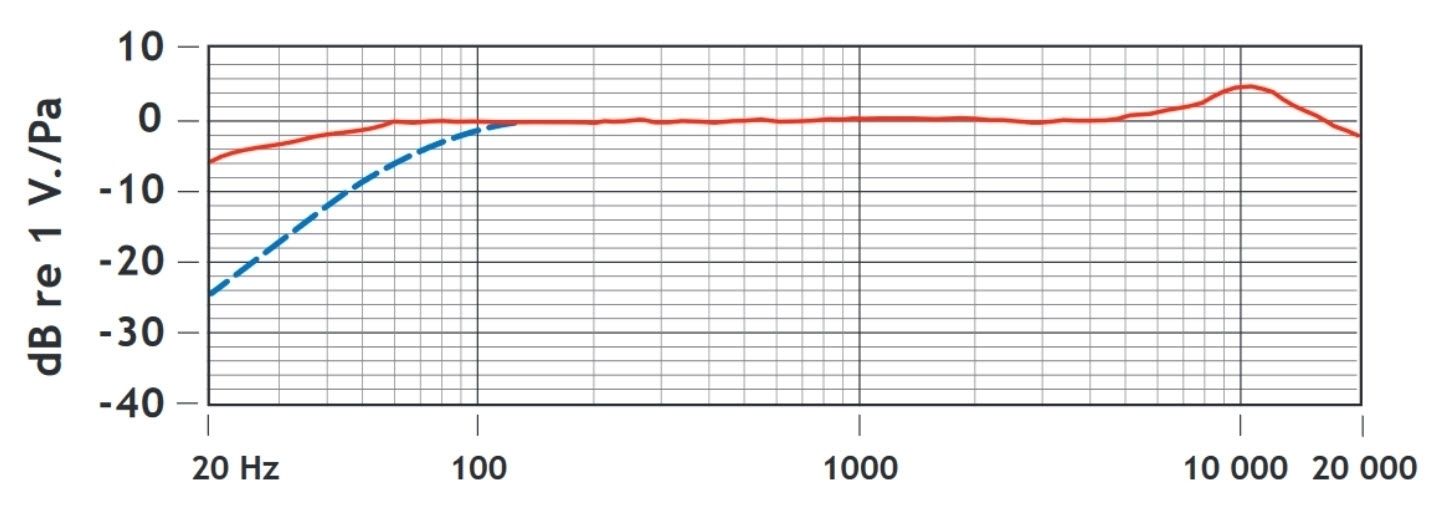
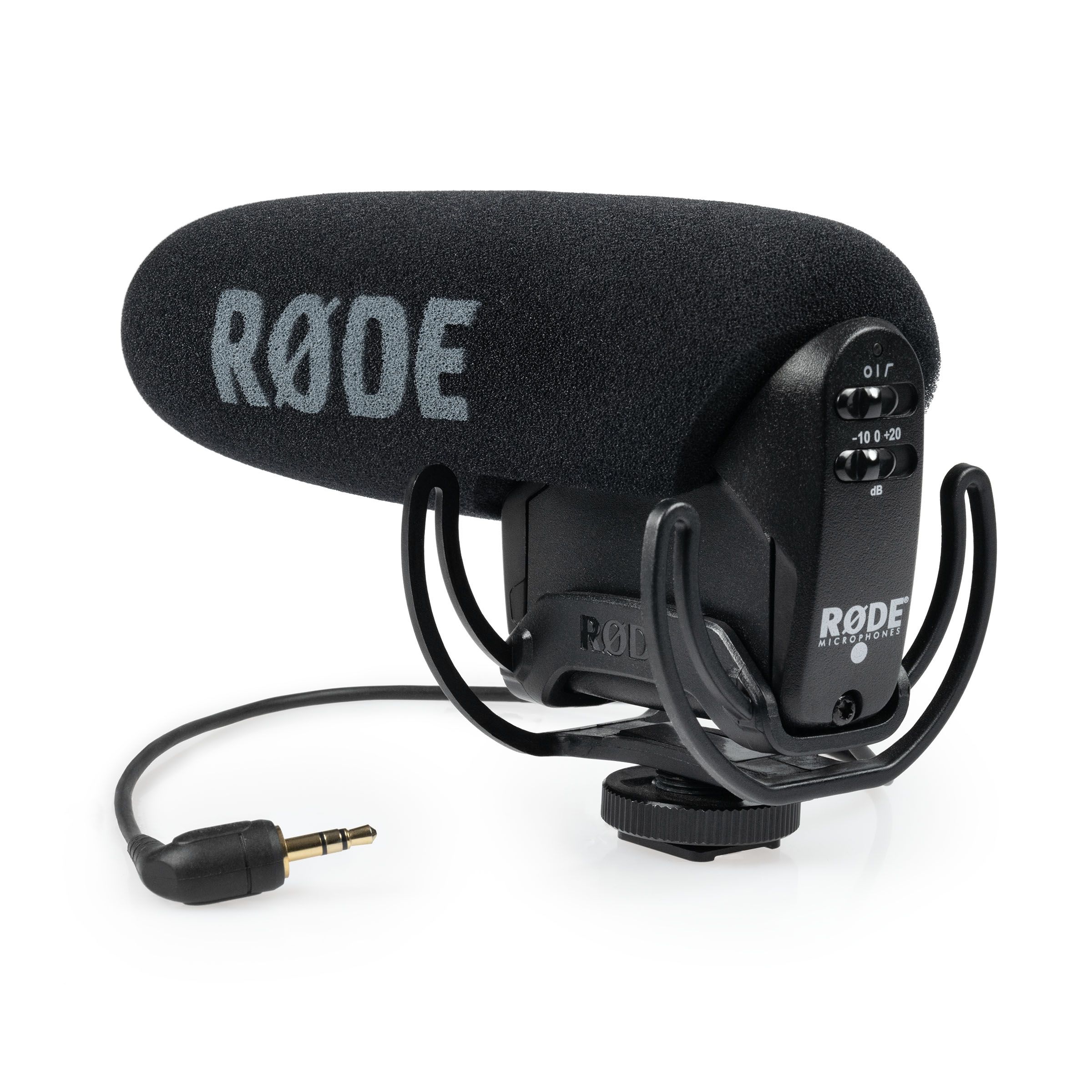
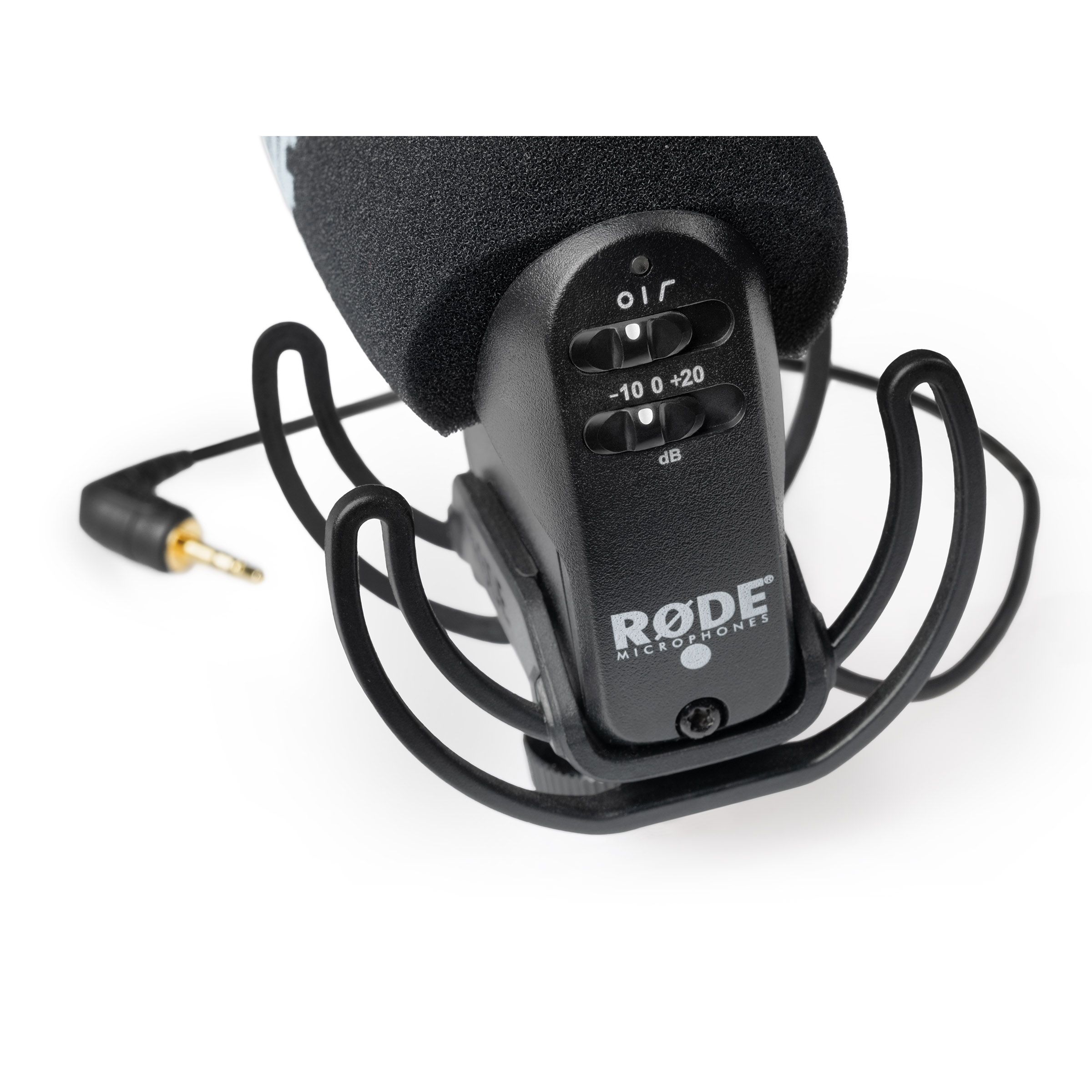
There are two switches on the back of the Rycote VideoMic Pro: the power switch and the level switch. The power switch also activates the rumble filter (“high-pass filter”), which reduces low-frequency noise. In practice, this makes the film audio sound clearer and also improves speech intelligibility. However, if low frequencies are an important component of the sound source, you should not enable the high-pass filter.
Thanks to its low self-noise (14 dBA) and high maximum sound pressure level (134 dB), the VideoMic Pro Rycote can handle both very quiet and very loud signals flawlessly and without noise. Many cameras, on the other hand, cannot do this and either add ugly noise to the recorded signal (when the input signal is too quiet, due to clipping or automatic level control) or introduce distortion (when signals are too loud). You can counteract this by setting the level switch—the lower of the two—from the default “0” to “+20” to bring quiet signals (e.g., speech) into a healthy range, or to “-10” to attenuate very loud signals so that the camera’s microphone input does not clip.
The Rycote VideoMic Pro comes with a pre-mounted foam windscreen. It is manufactured by RØDE in Australia, and registered users receive a 10-year warranty. For outdoor recording, we recommend purchasing the optional “Dead VMPR” fur windscreen.
Datos técnicos
- Typ: Kameramikrofon (Rycote Lyre)
- Kapsel: 0,5″
- Prinzip: Interferenzprinzip
- Frequenzbereich: 40 Hz–20 kHz (Hochpass 80 Hz)
- Ausgangsimpedanz: 200 Ω
- Max. SPL: 134 dB
- Empfindlichkeit: -32 dB re 1 V/Pa (20 mV @ 94 dB SPL)
- Eigenrauschen: 14 dBA
- Maße (H × B × T): 100 × 75 × 170 mm
- Gewicht: 85 g
Contenido del paquete
- 1× VideoMic Pro
Sobre la marca
RØDE: una empresa de audio en el corazón de Australia RØDE es líder mundial en tecnología de audio, y su misión es dar voz y visión a las mentes creativas de todo el mundo. Con una rica trayectoria que se remonta a más de 50 años, RØDE es una empresa de propiedad y gestión totalmente australianas, caracterizada por su pasión por la innovación, su compromiso inquebrantable con la calidad y su dedicación constante a hacer que todo el mundo pueda disfrutar de un sonido excepcional
Las instalaciones de vanguardia de RØDE se encuentran en Silverwater, un barrio situado a menos de 20 km del centro de Sídney. Tres plantas de fabricación, con una superficie total de más de 25 000 m², albergan maquinaria de precisión valorada en más de 500 millones de dólares. RØDE y su director ejecutivo, Peter Freedman, cuentan con un equipo internacional de más de 800 empleados, entre los que se incluyen especialistas altamente cualificados en ingeniería eléctrica, diseño industrial, ingeniería mecánica, robótica, audio y acústica, fabricación de metales, fabricación de herramientas, moldeo por inyección, control de calidad y marketing.
RØDE Microphones es una filial al 100 % de Freedman Electronics, una empresa fundada en 1967 por Henry y Astrid Freedman que pronto se convirtió en líder del sector del audio en Australia. En 1990, Peter, el hijo de Henry, comenzó a fabricar micrófonos de estudio. El modelo «NT1» marcó el nacimiento de RØDE Microphones: por primera vez, existía un micrófono de estudio de diafragma grande útil y disponible a un precio asequible. Hoy en día, RØDE puede mirar atrás y contemplar una trayectoria verdaderamente notable y de gran éxito, sin dormirse en los laureles. A lo largo de los años, se han ido incorporando nuevas líneas de productos de forma constante, de modo que hoy en día, además de micrófonos de estudio y accesorios, RØDE también ofrece productos profesionales para radio, televisión, producción cinematográfica, músicos, podcasters, gamers, creadores de contenido y otros usuarios.
Desde sus humildes comienzos como una pequeña tienda en 1967, Freedman Electronics ha crecido a lo largo de las décadas hasta convertirse en el Freedman Group, uno de los principales proveedores mundiales de equipos de audio profesional. Además de su sede central en Sídney, RØDE cuenta con oficinas en todo el mundo, entre ellas en EE. UU., China y el Reino Unido. Los productos de RØDE se exportan a 119 países de todo el mundo.
RØDE forma parte del Grupo Freedman, junto con Mackie, APHEX, Event y SoundField.